Artist in Residence: Patagonia Lake State Park
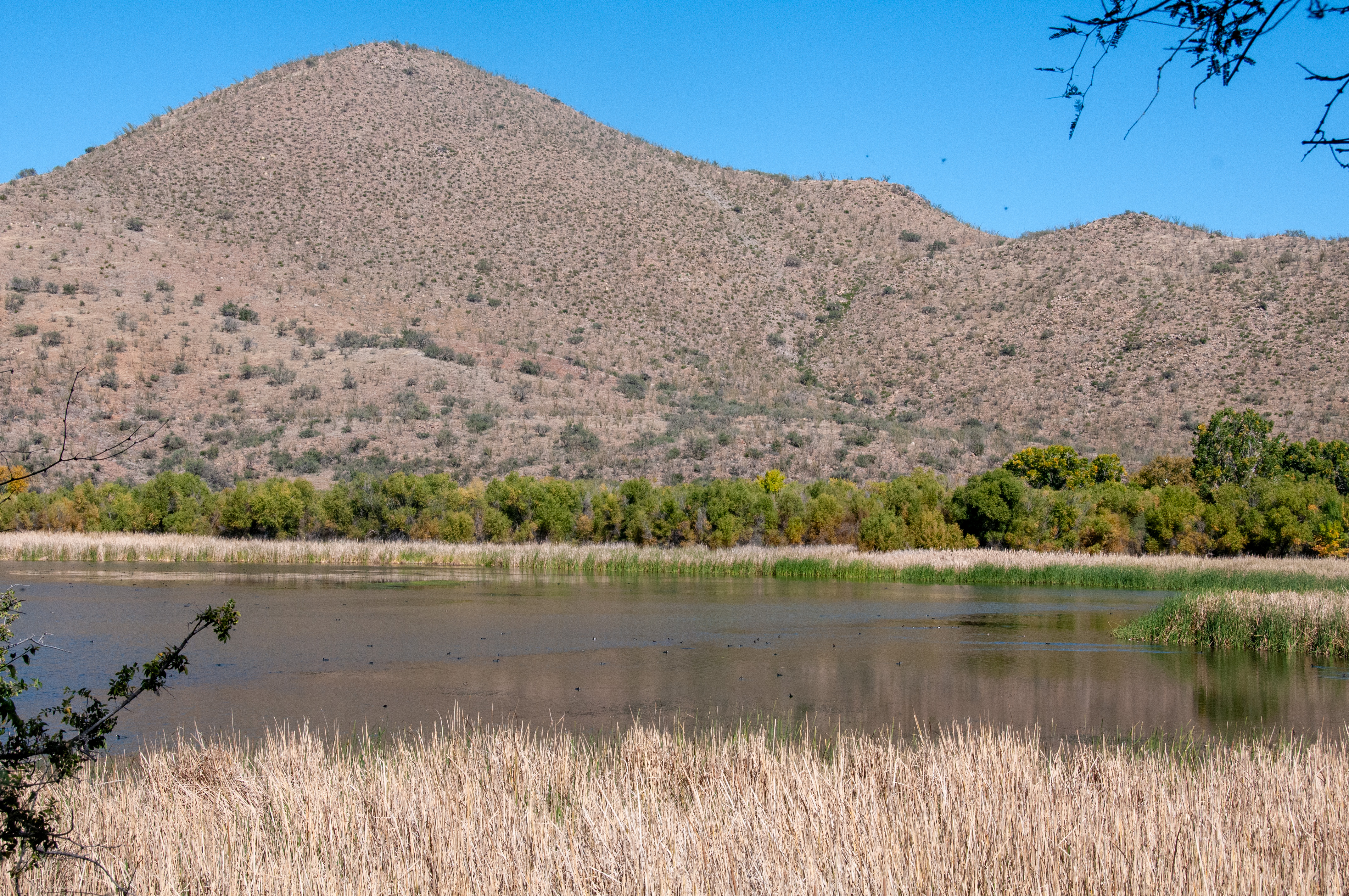
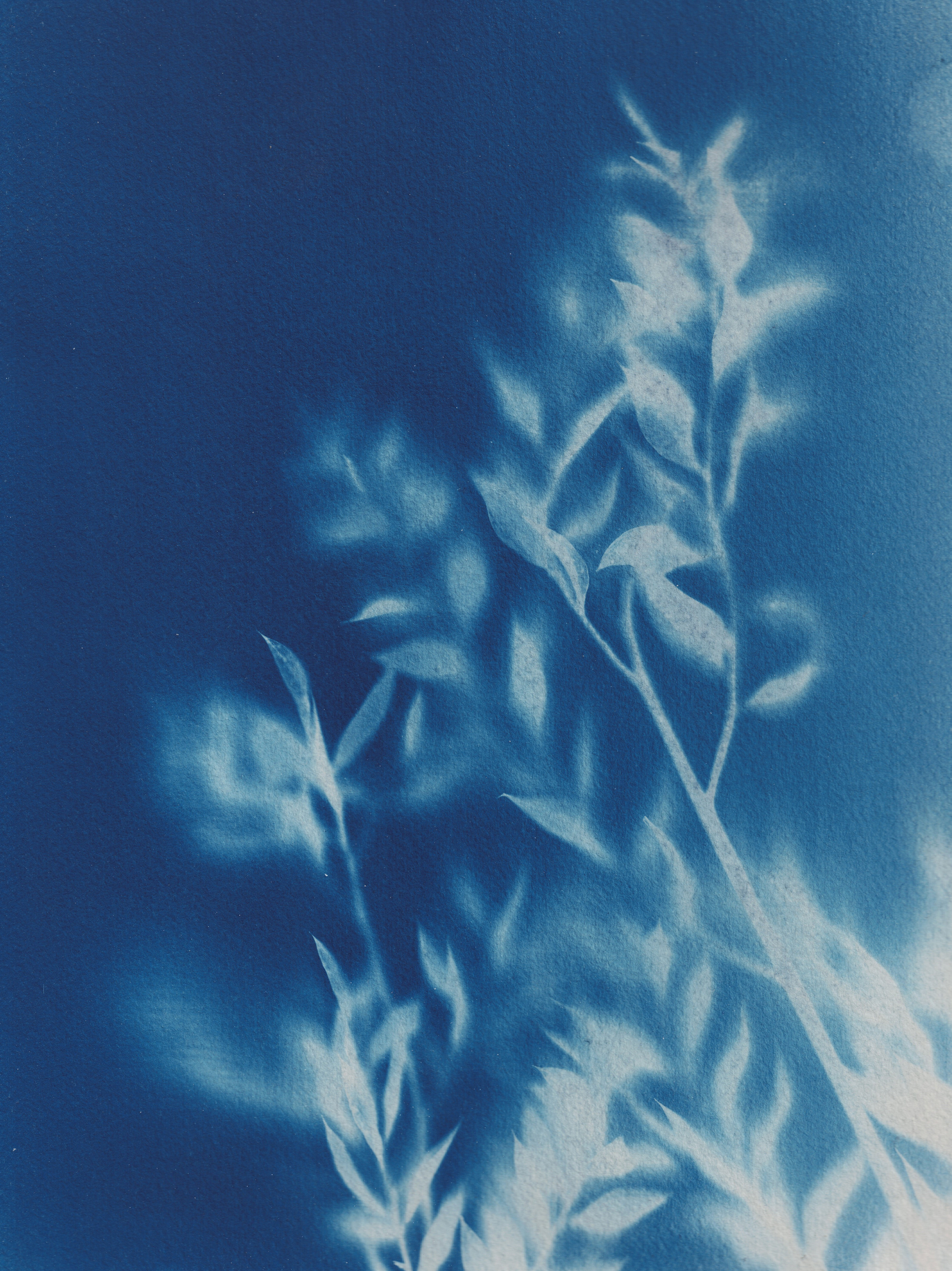
Cory Woodall is currently spending three weeks at Patagonia Lake State Park as part of the Artist-in-Residence program supported by Arizona State Parks & Trails and the Arizona Commission on the Arts (October 29–November 16, 2025). The residency gives her uninterrupted time to continue her ongoing cyanotype research, this time working directly with plant material found in one of Arizona's most biologically mixed environments. The lake's blend of desert and riparian habitat provides a broad range of structures and forms that align well with her continued focus on botanical imaging, contact printing, and the material qualities of early photographic processes.
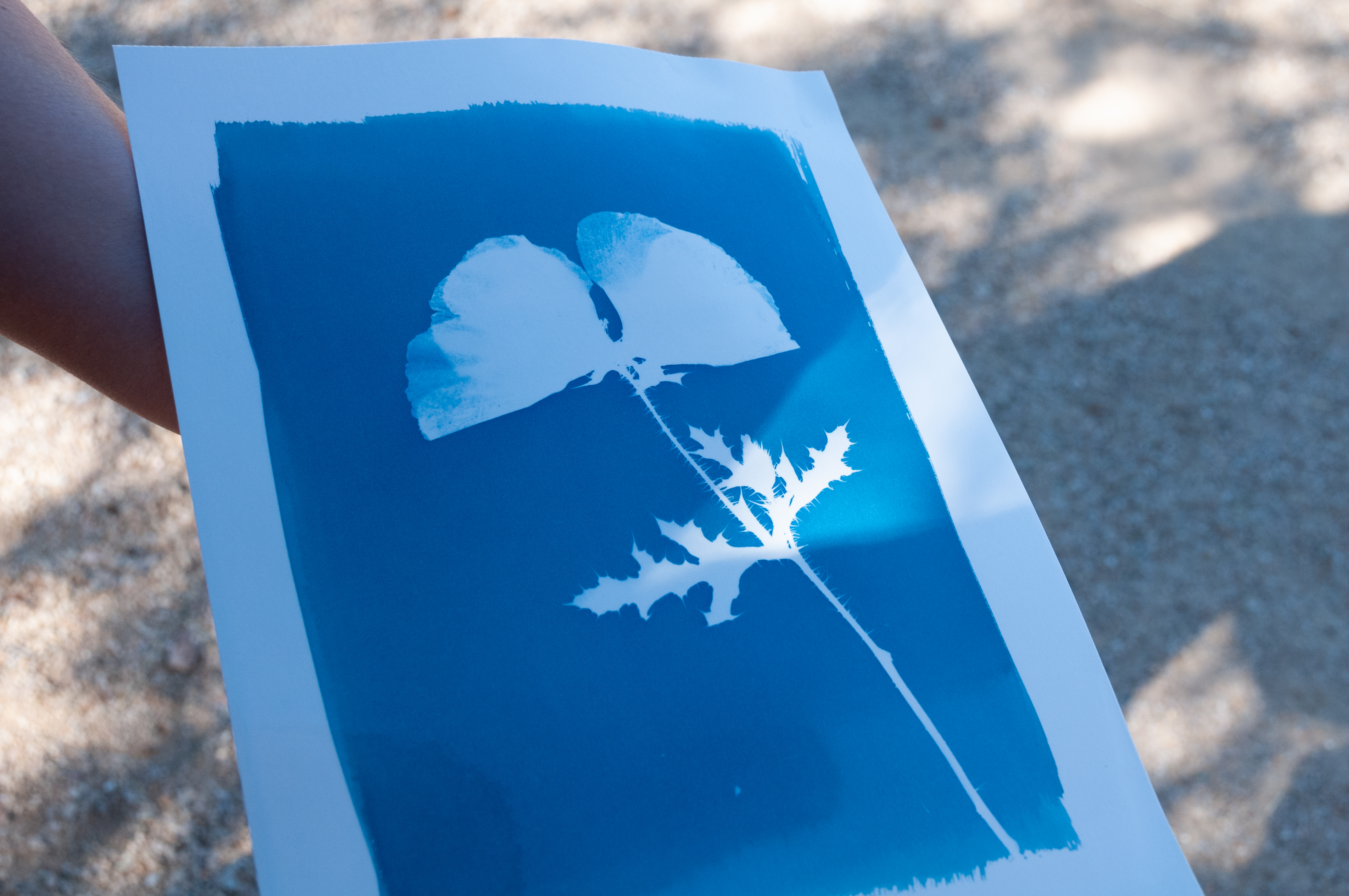
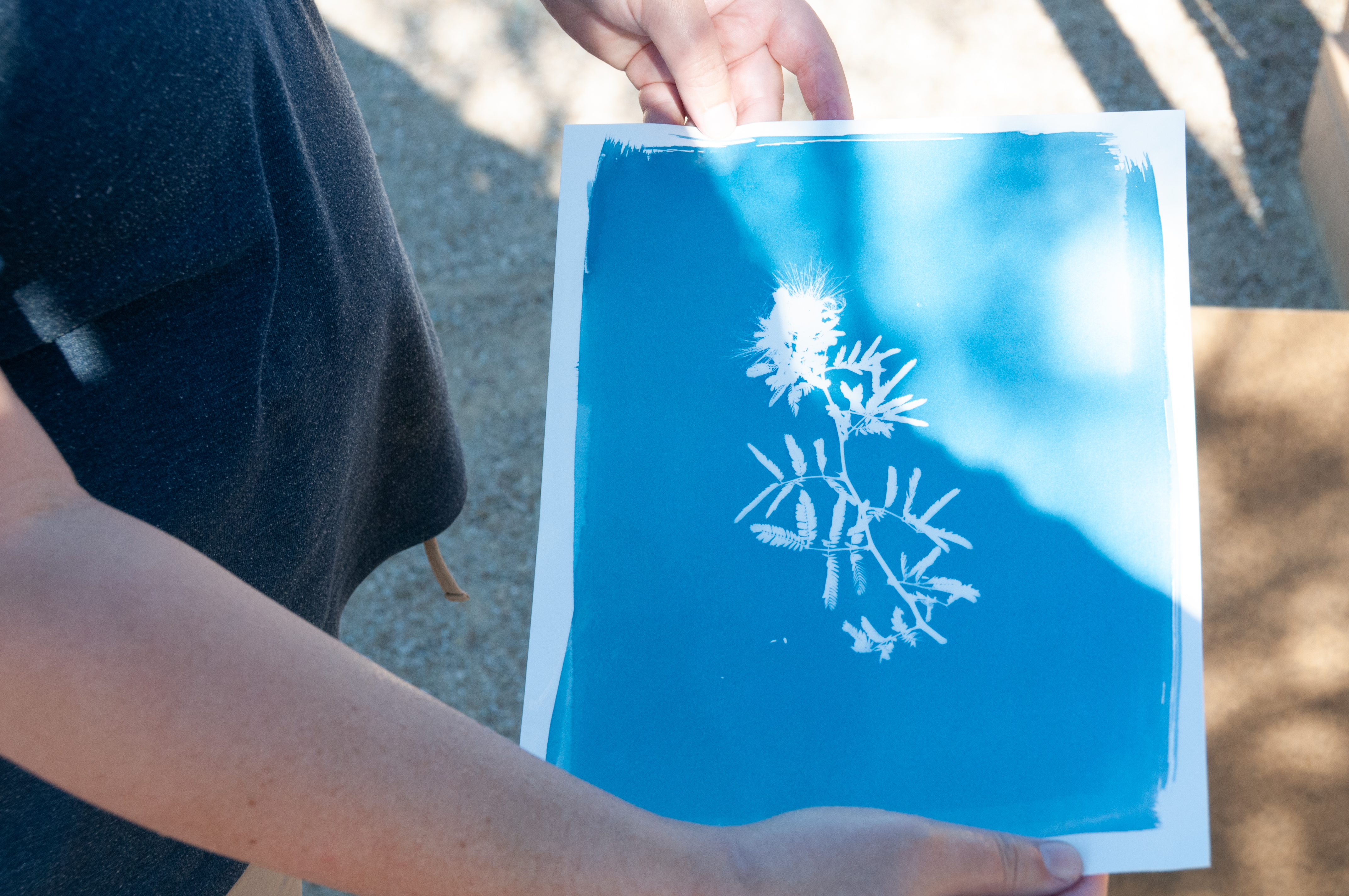
Cyanotype remains central to her practice because of its clarity, accessibility, and long historical relationship with botanical documentation. Introduced in 1842, the process relies on iron-based chemistry and ultraviolet light, producing its characteristic blue results through direct contact between plant material and hand-coated paper. The simplicity of the method allows the subject matter—structure, density, and the internal geometry of each specimen—to determine much of the final image. Working at Patagonia Lake adds a new group of species shaped by the meeting point of two ecosystems, offering forms that differ from those found in her previous locations.
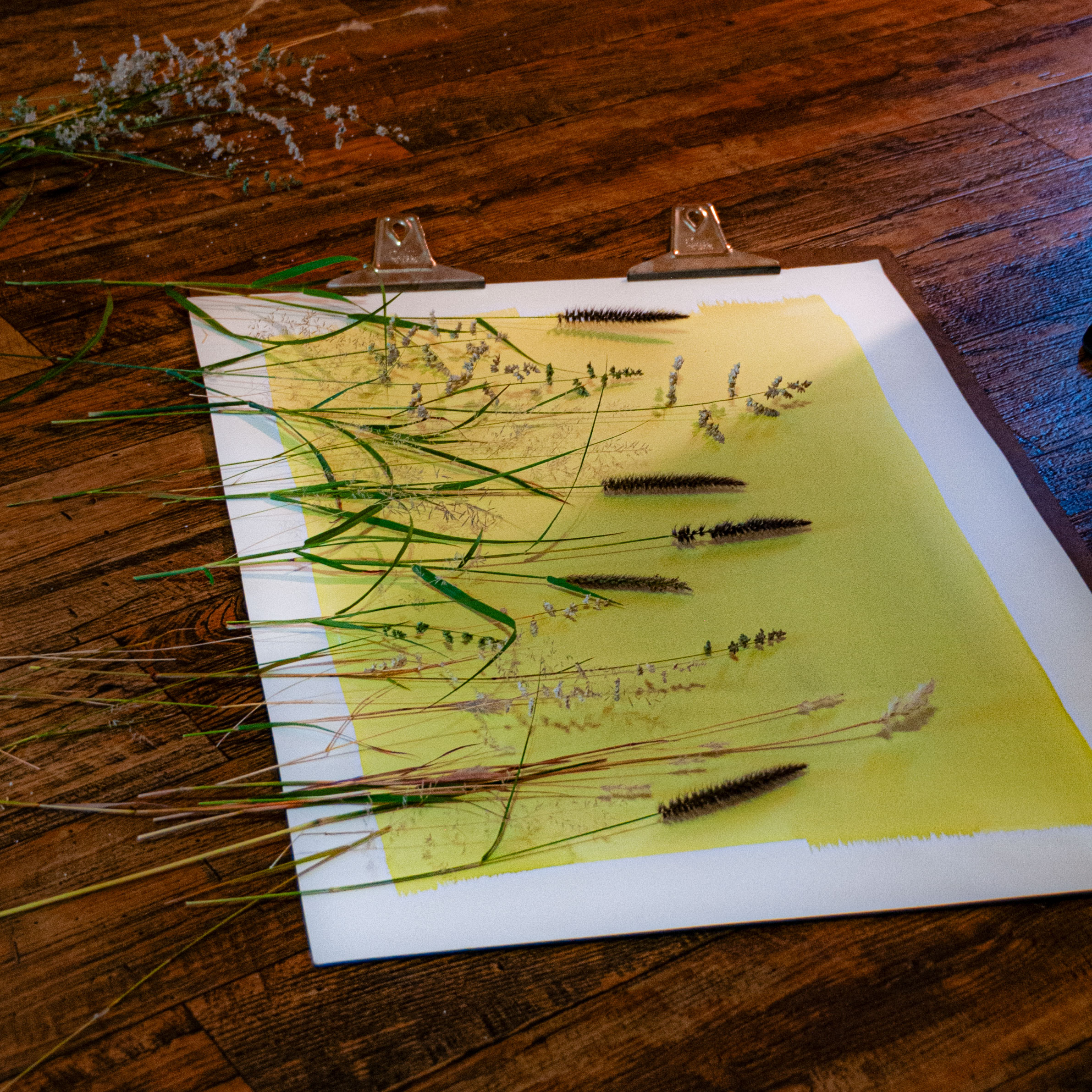
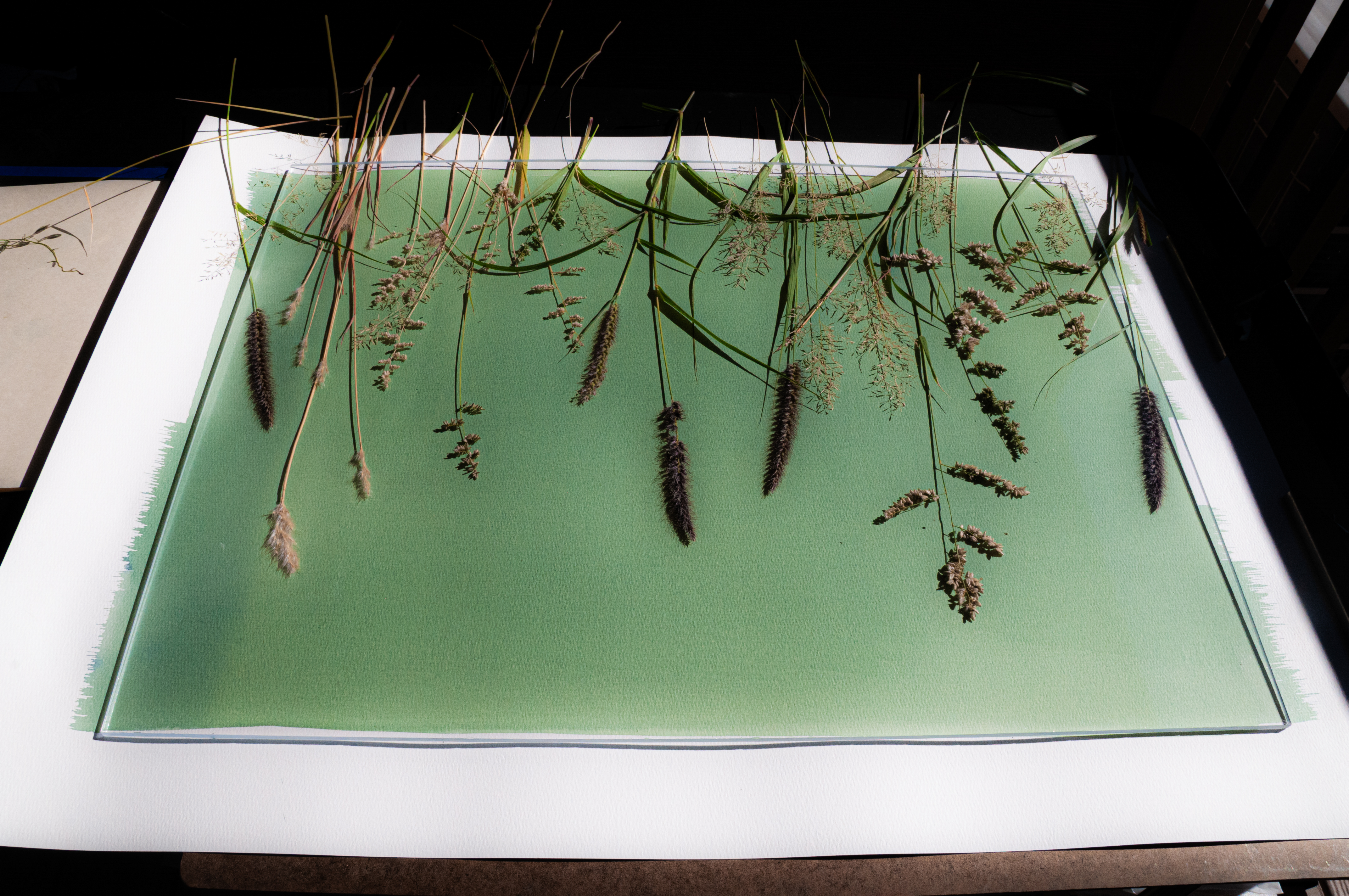
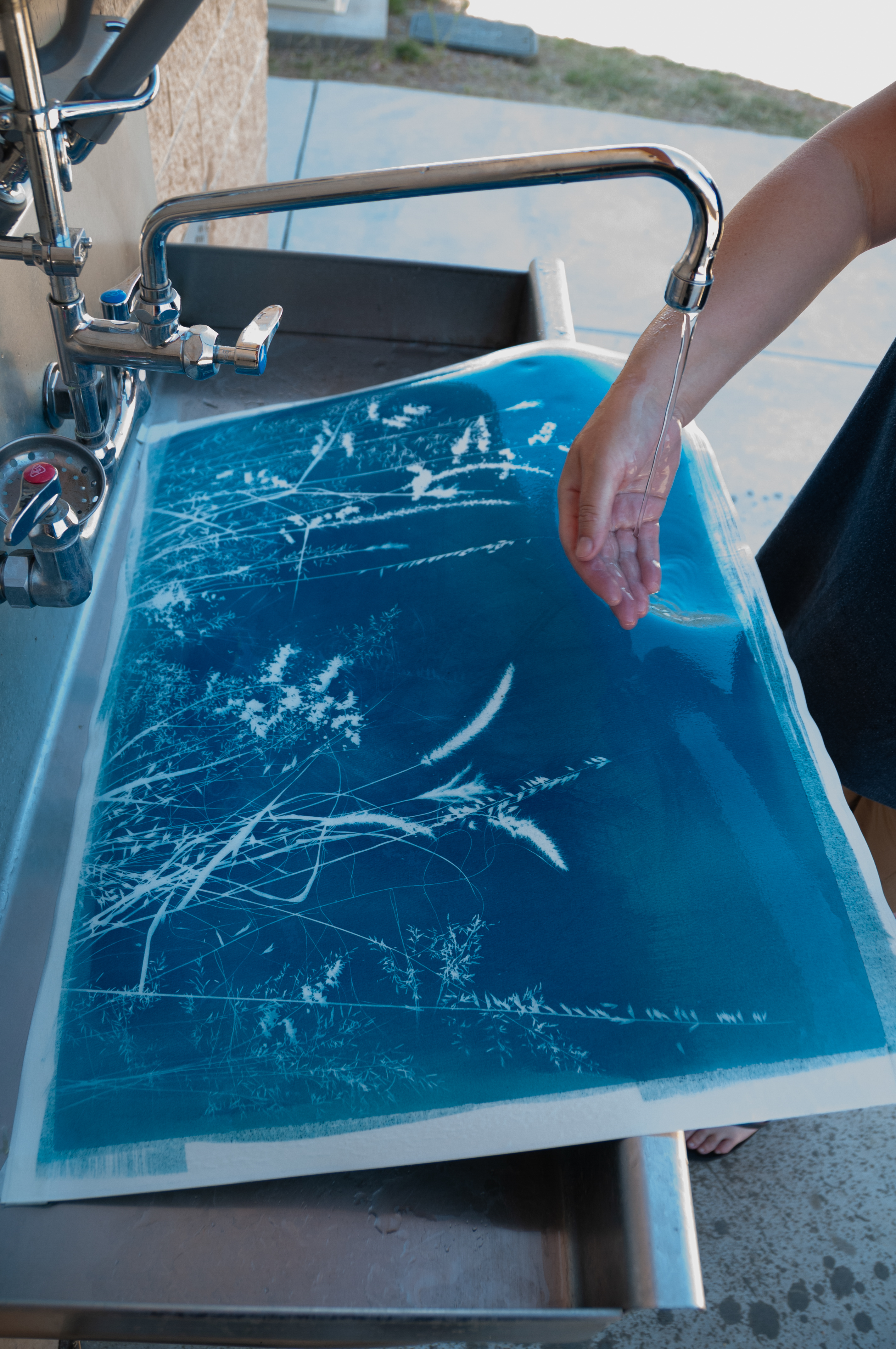
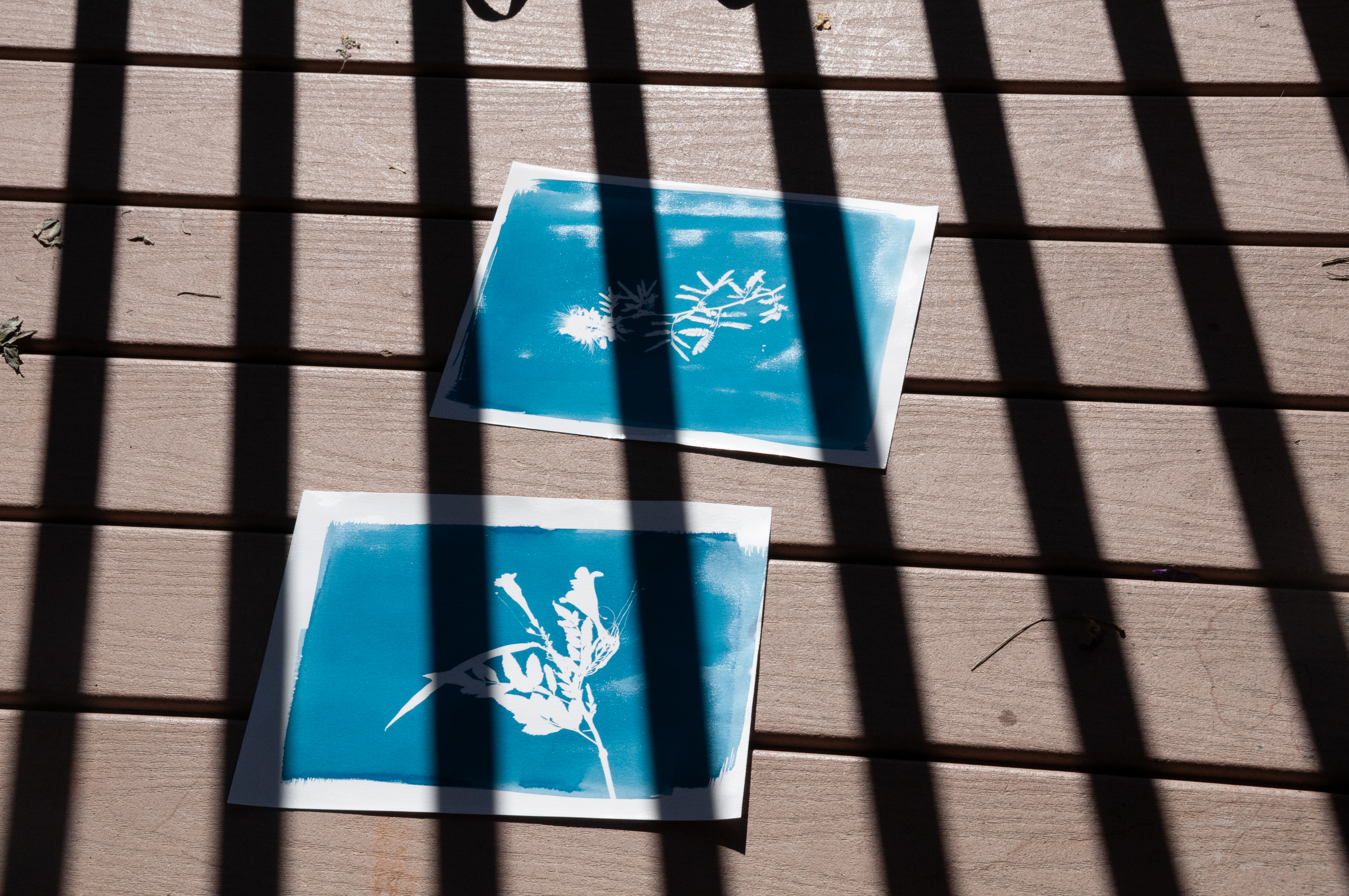
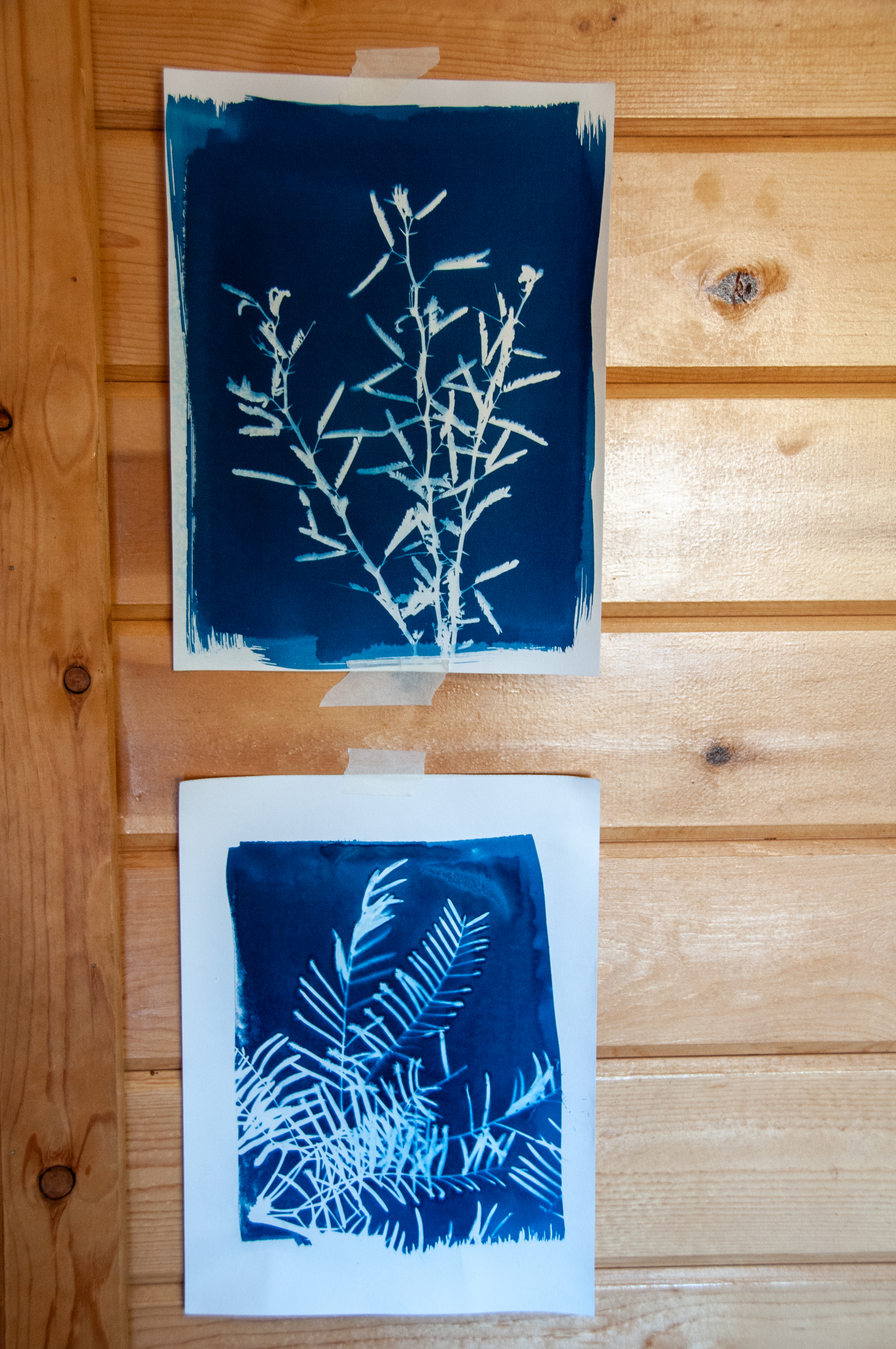
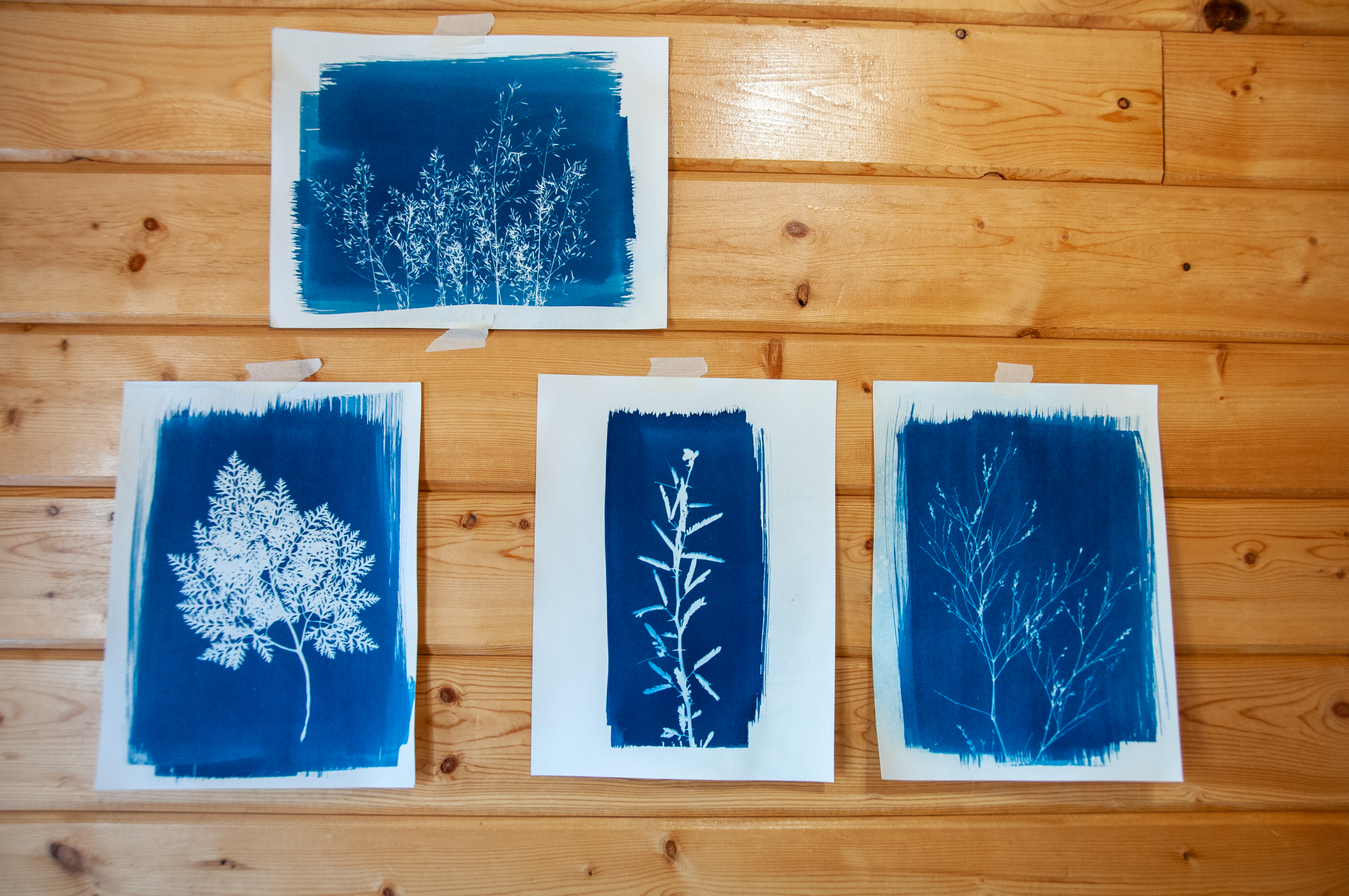
Throughout the residency, the workspace has filled quickly with active work. Cyanotypes are taped across the cabin walls, grouped on the floor for comparison, and drying outside on the porch where airflow helps stabilize the chemistry. Dozens of pieces move through various stages at the same time: freshly coated sheets set aside for later, compositions arranged and waiting for exposure, prints developing their tones after rinsing, and completed tests gathered for review. The strong UV exposure at Patagonia Lake allows for consistent and efficient printing, making it possible to explore multiple variations in a single day and evaluate how different species behave under the same conditions.
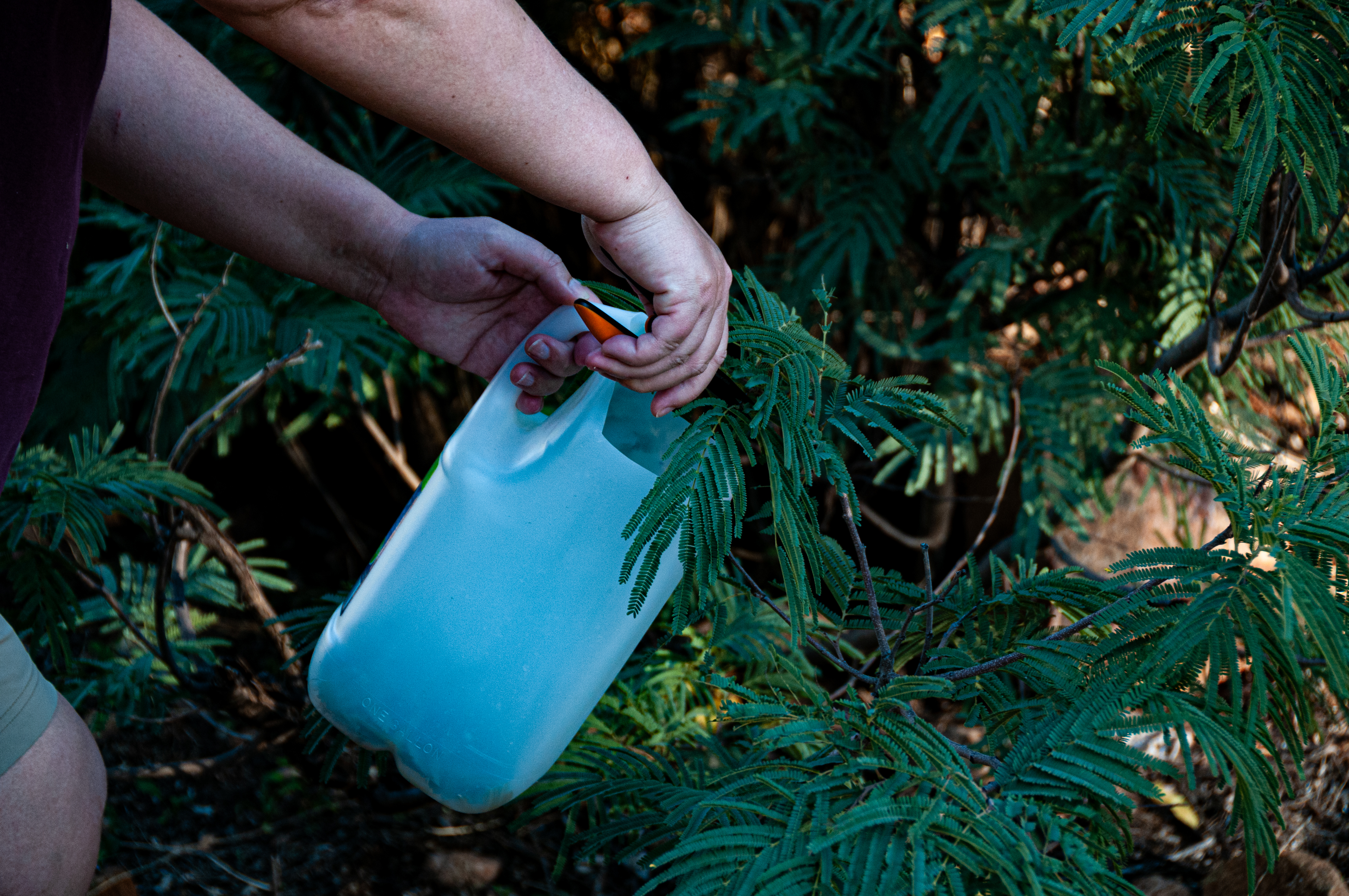
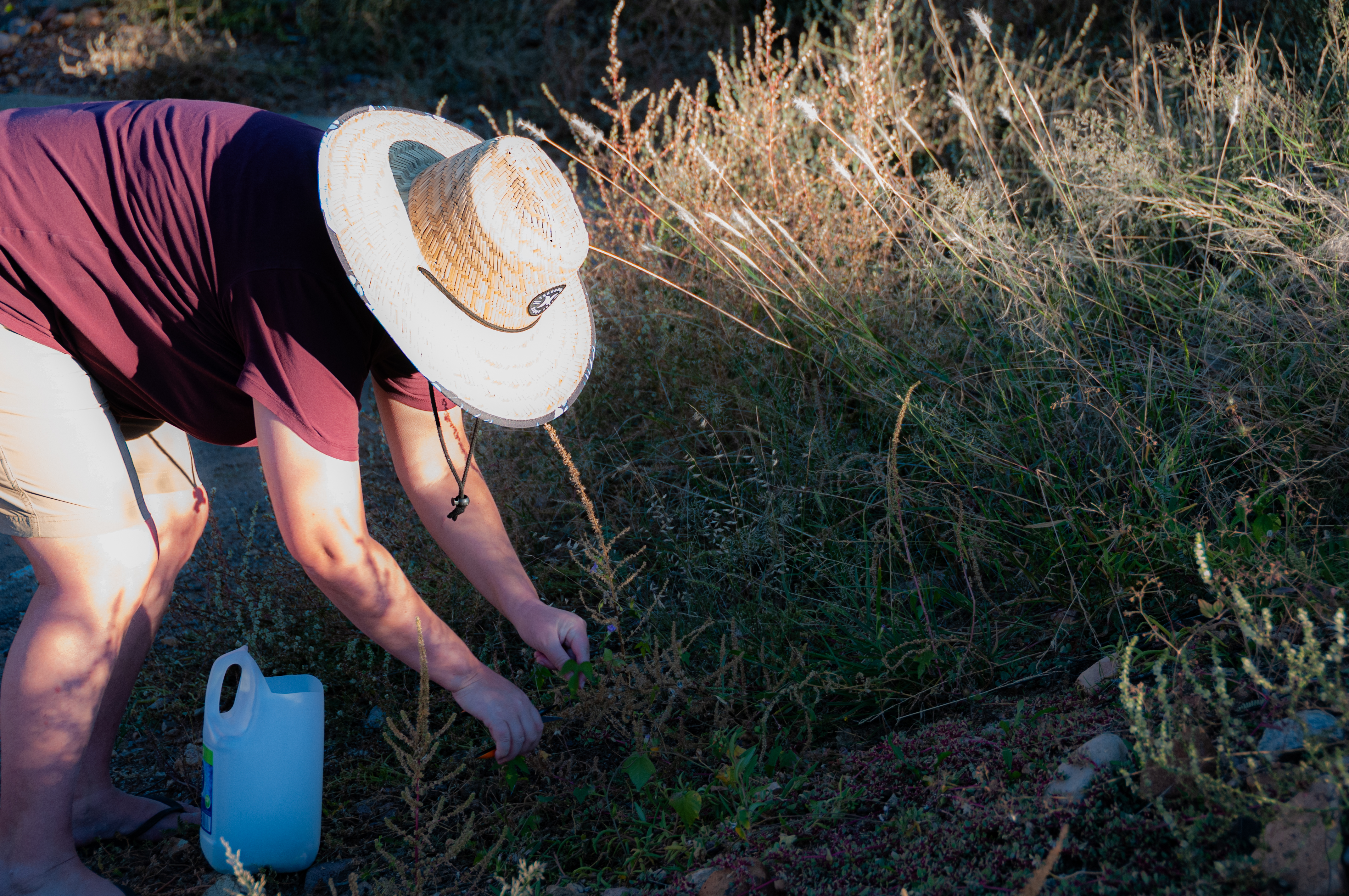
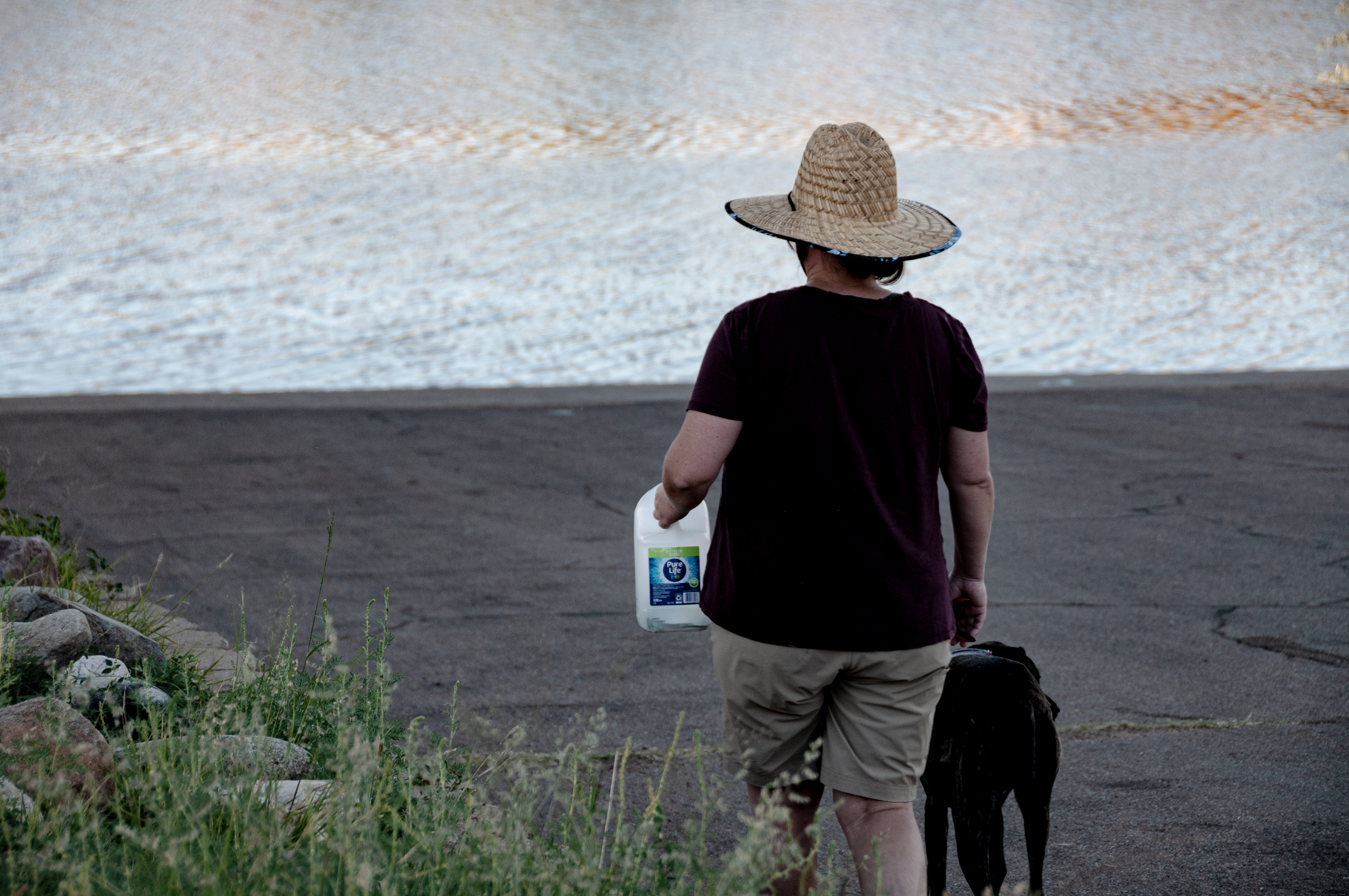
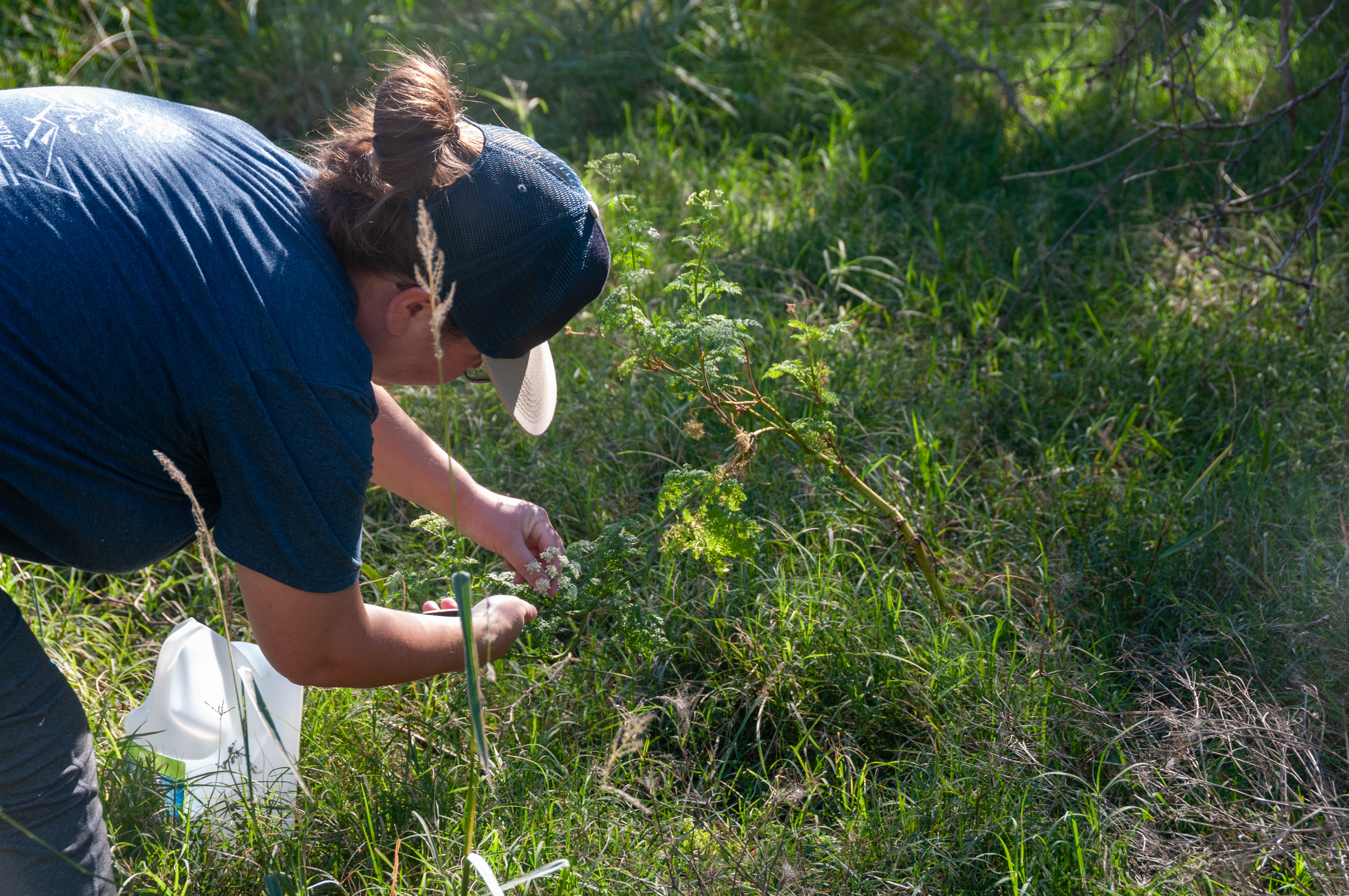
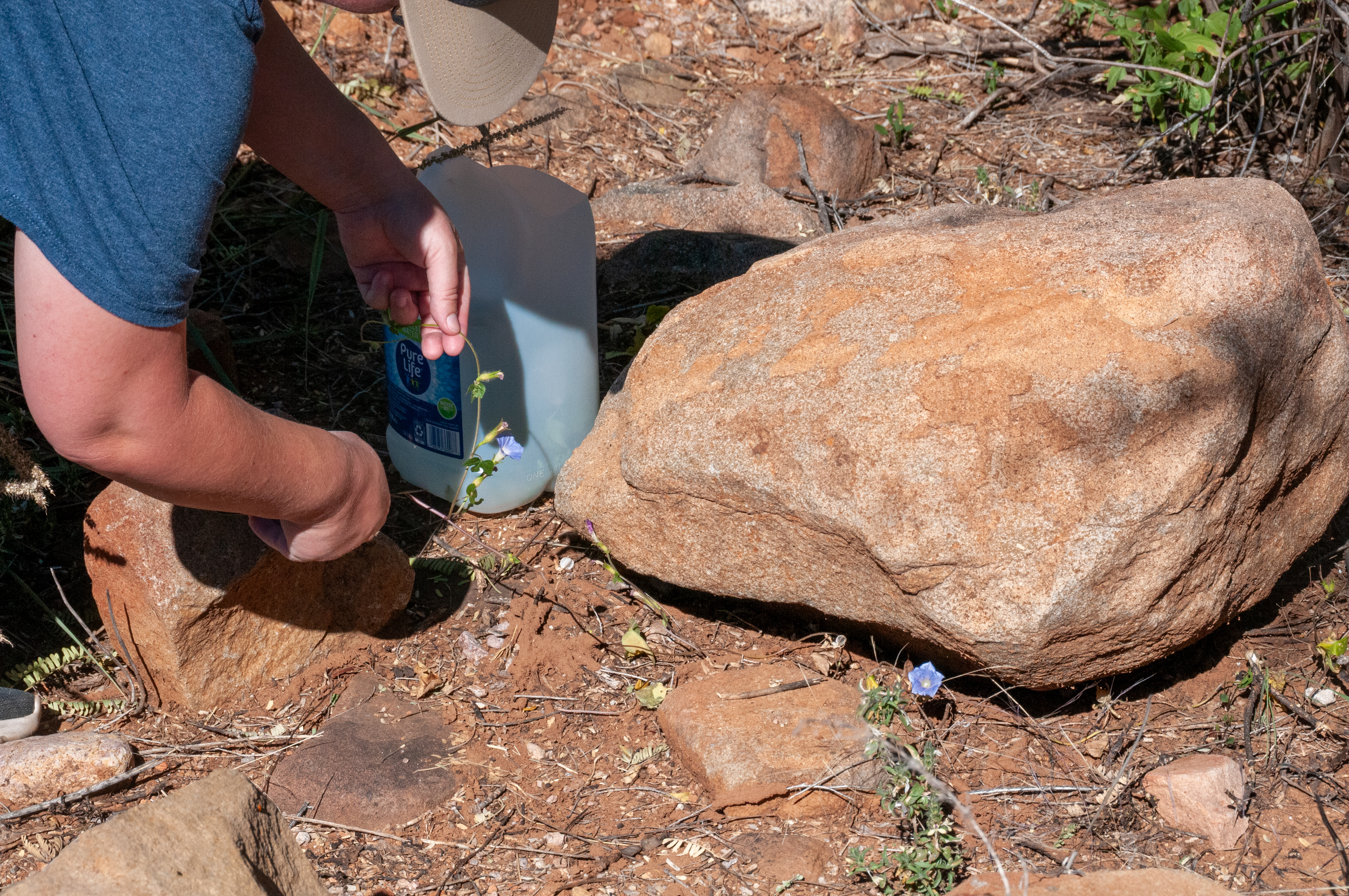
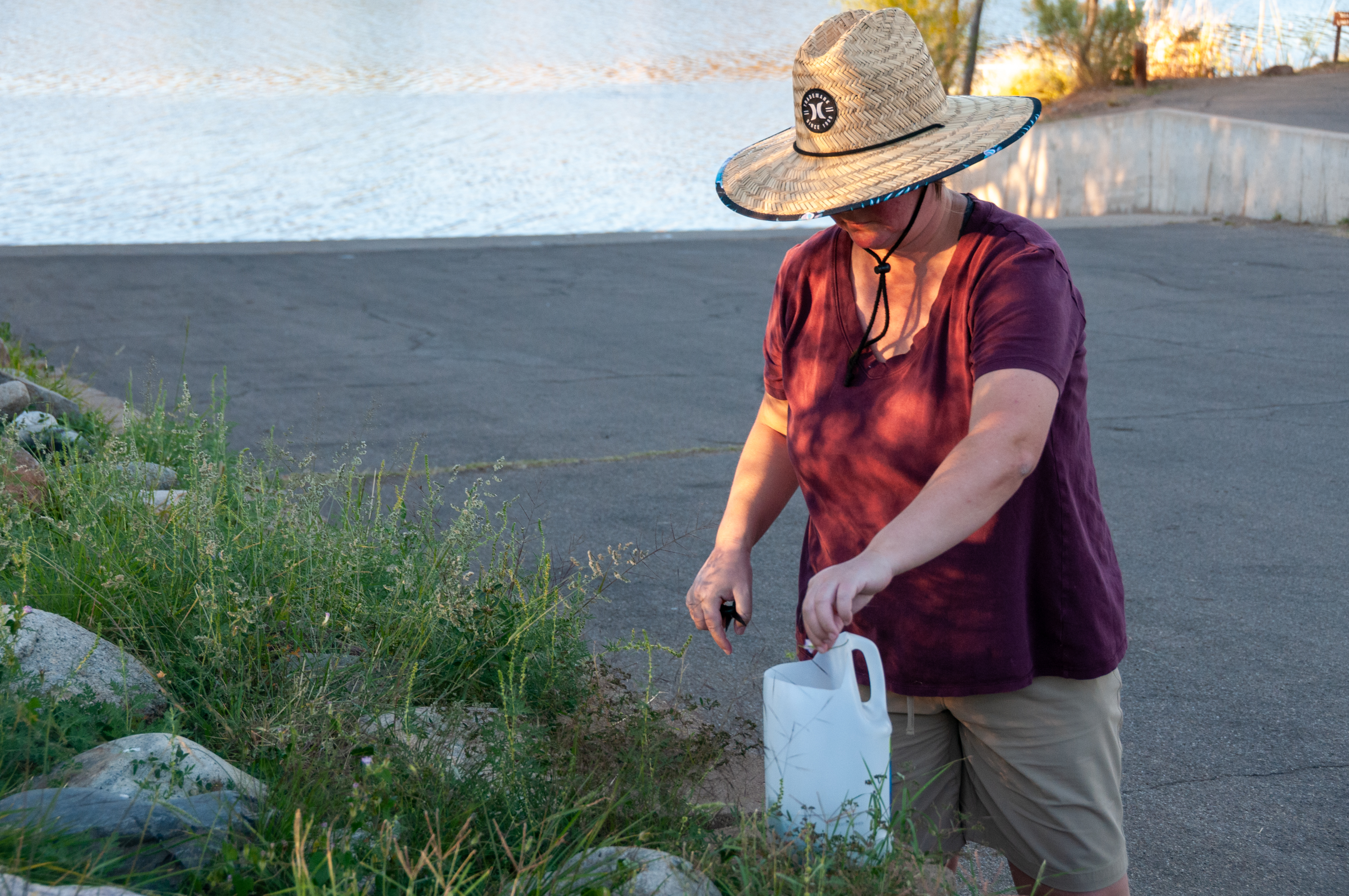
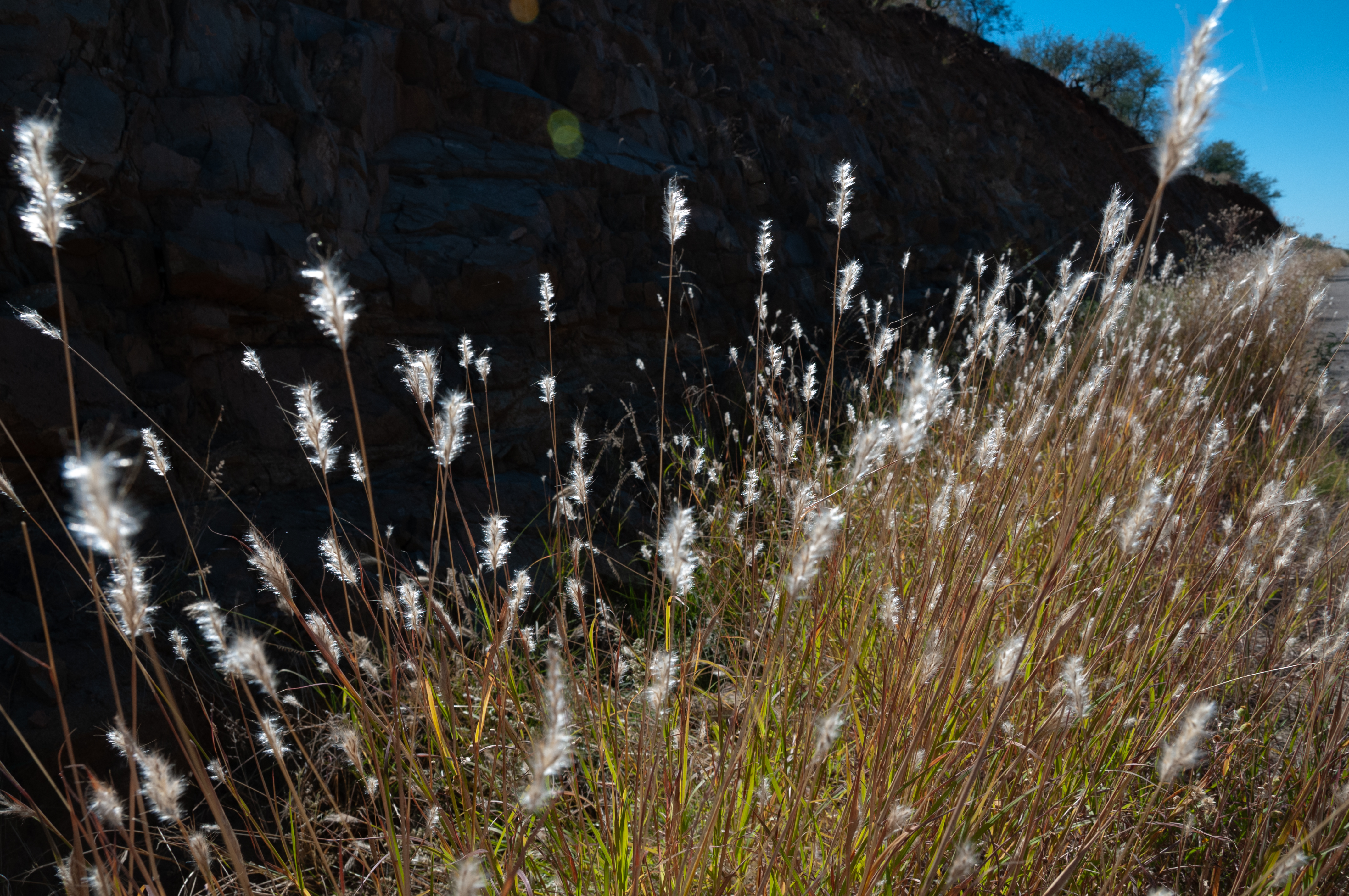
All plant material used during the residency is collected responsibly—primarily from naturally fallen pieces or minimal-impact gathering—ensuring the surrounding environment remains undisturbed. The diversity of species around the lake provides a wide range of textures and densities, from fine, detailed structures to heavier forms that create bold silhouettes. Each contributes different visual possibilities within the cyanotype process.
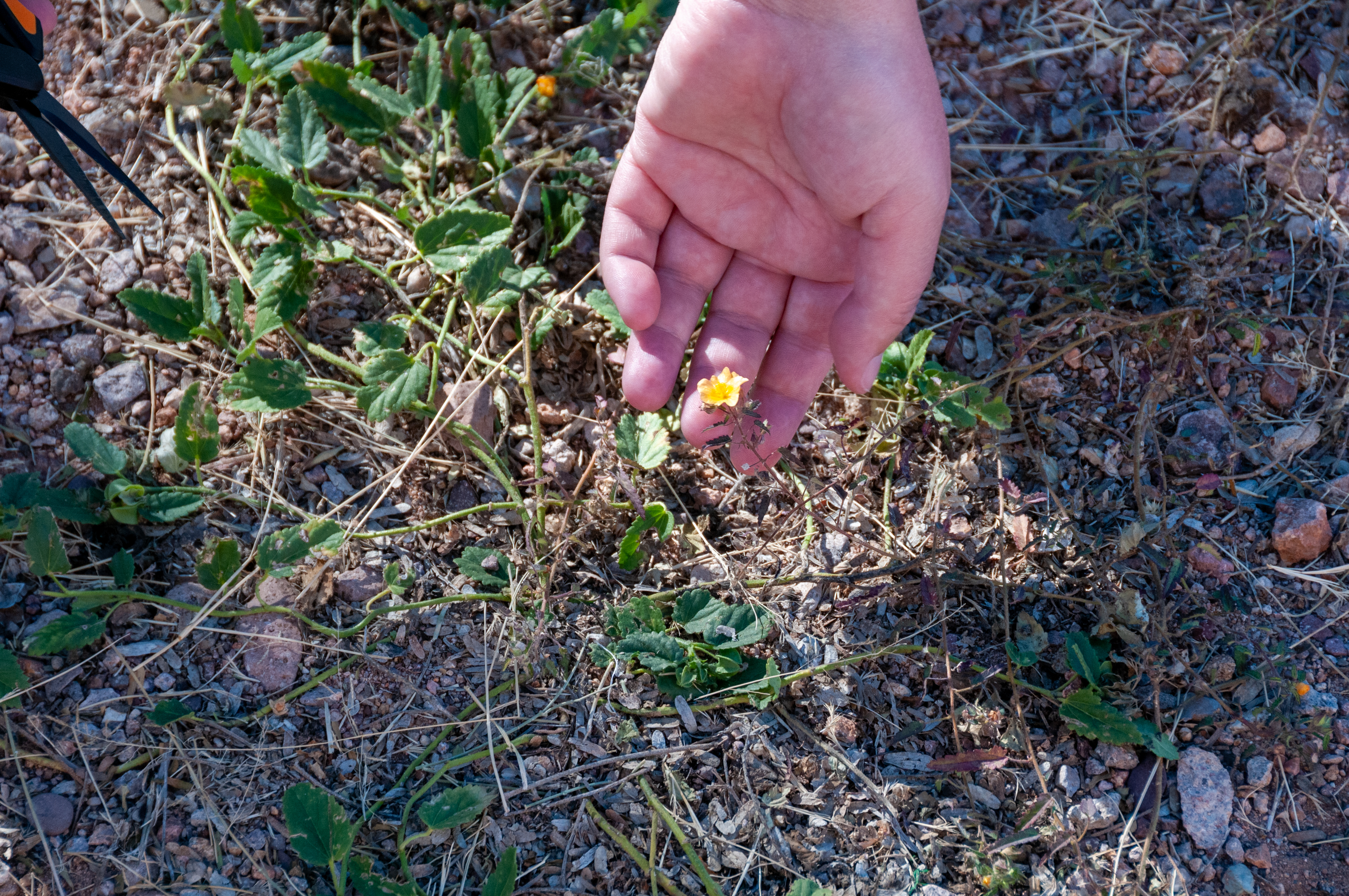
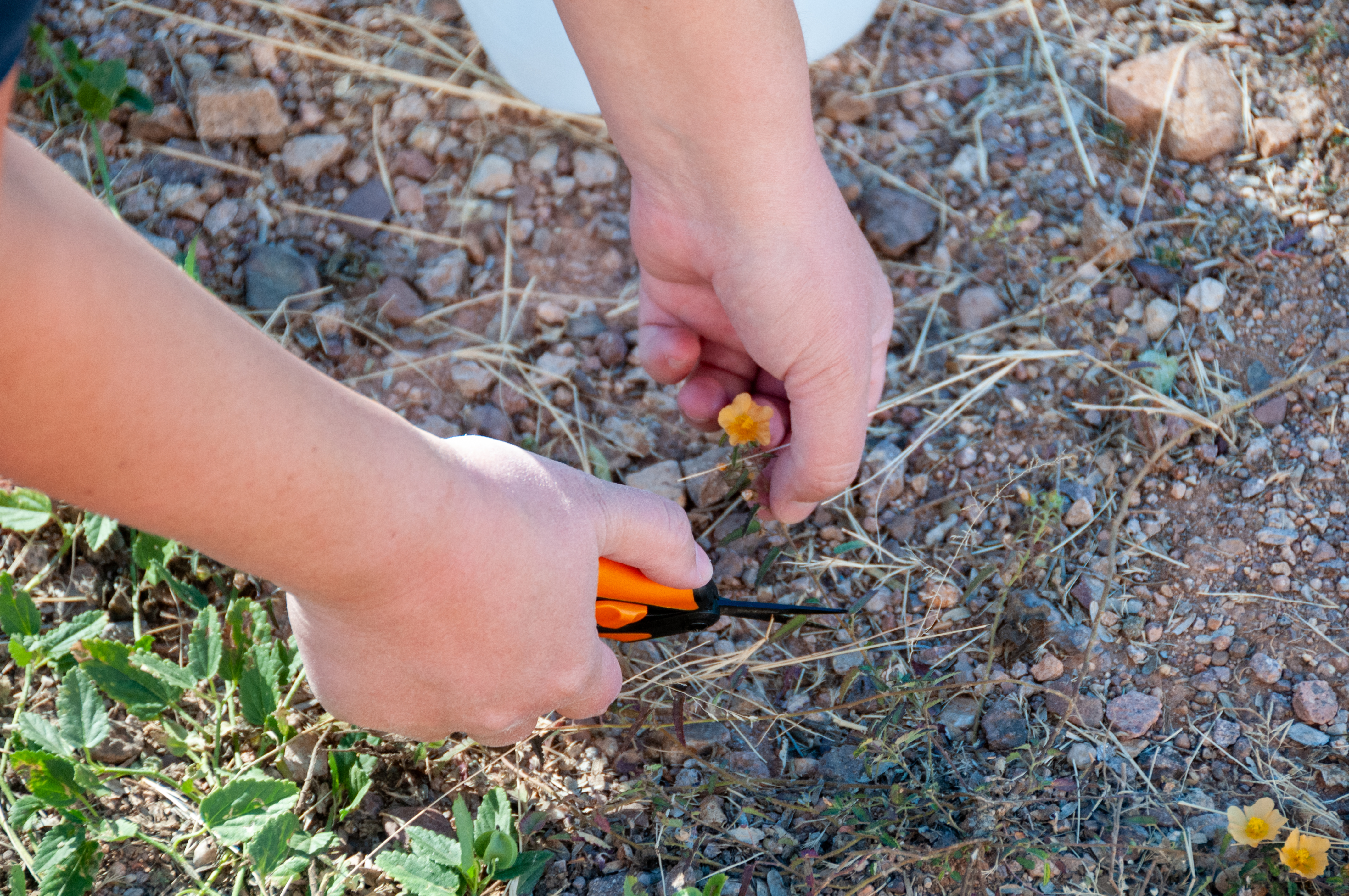
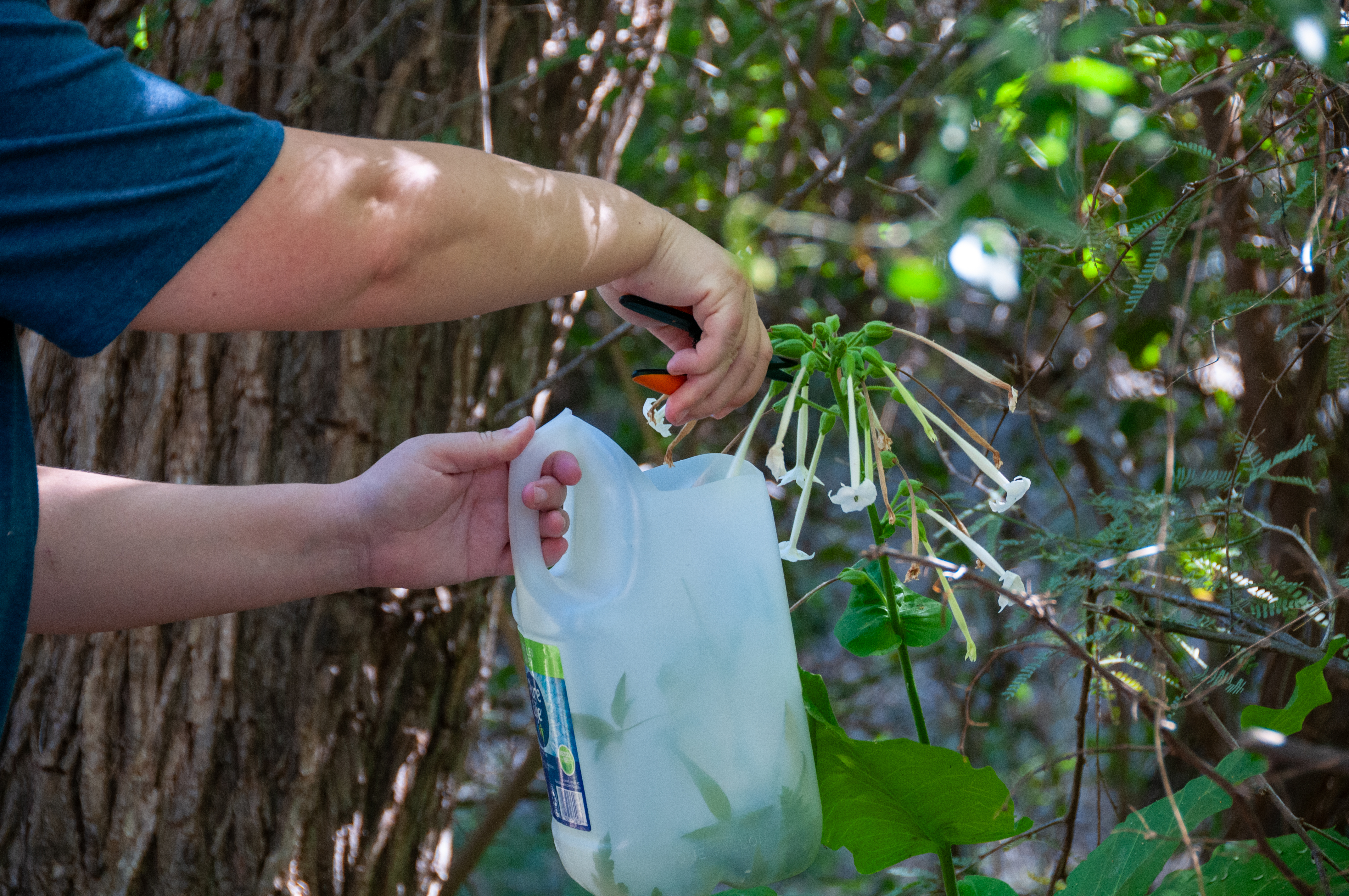

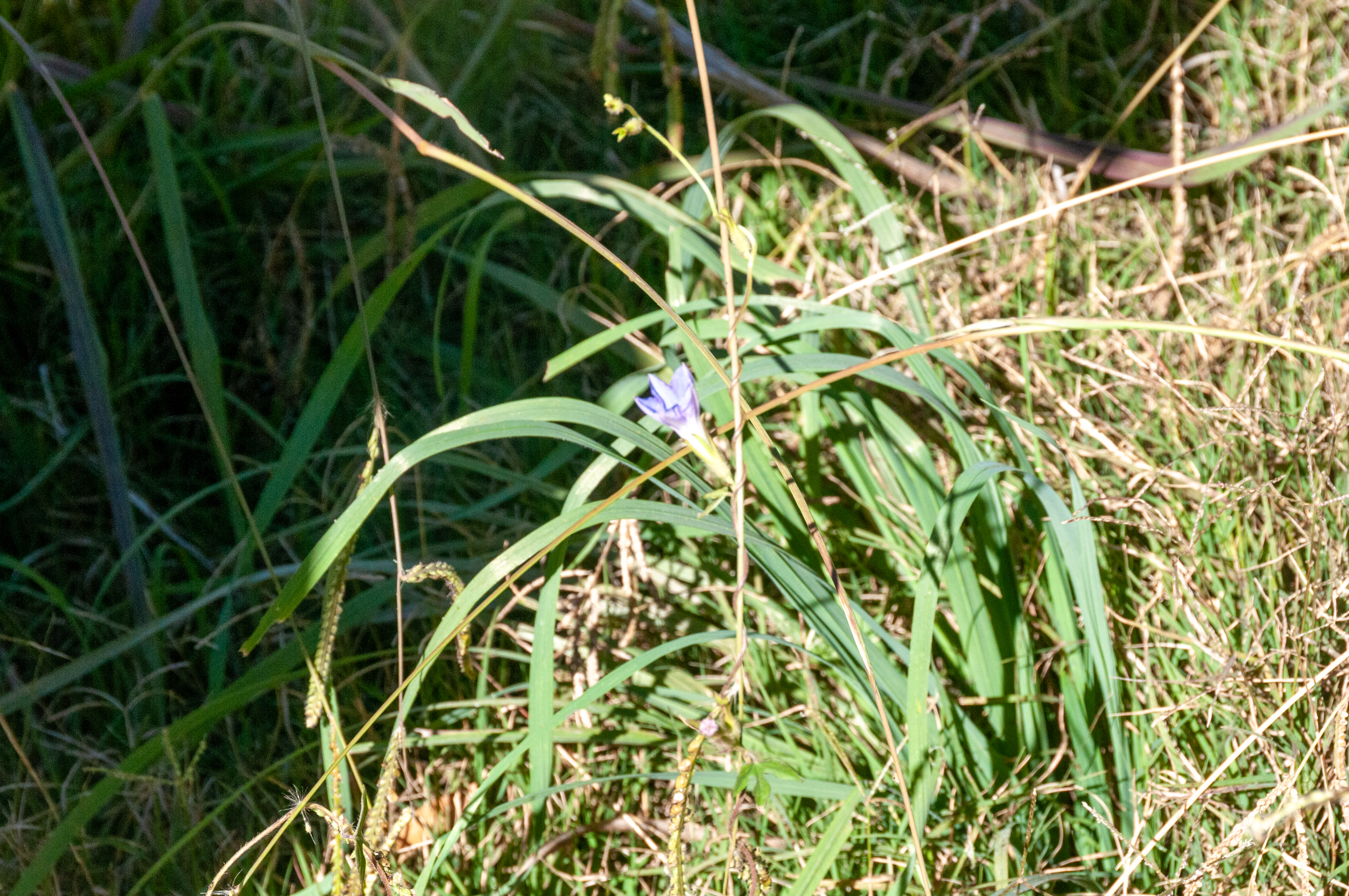
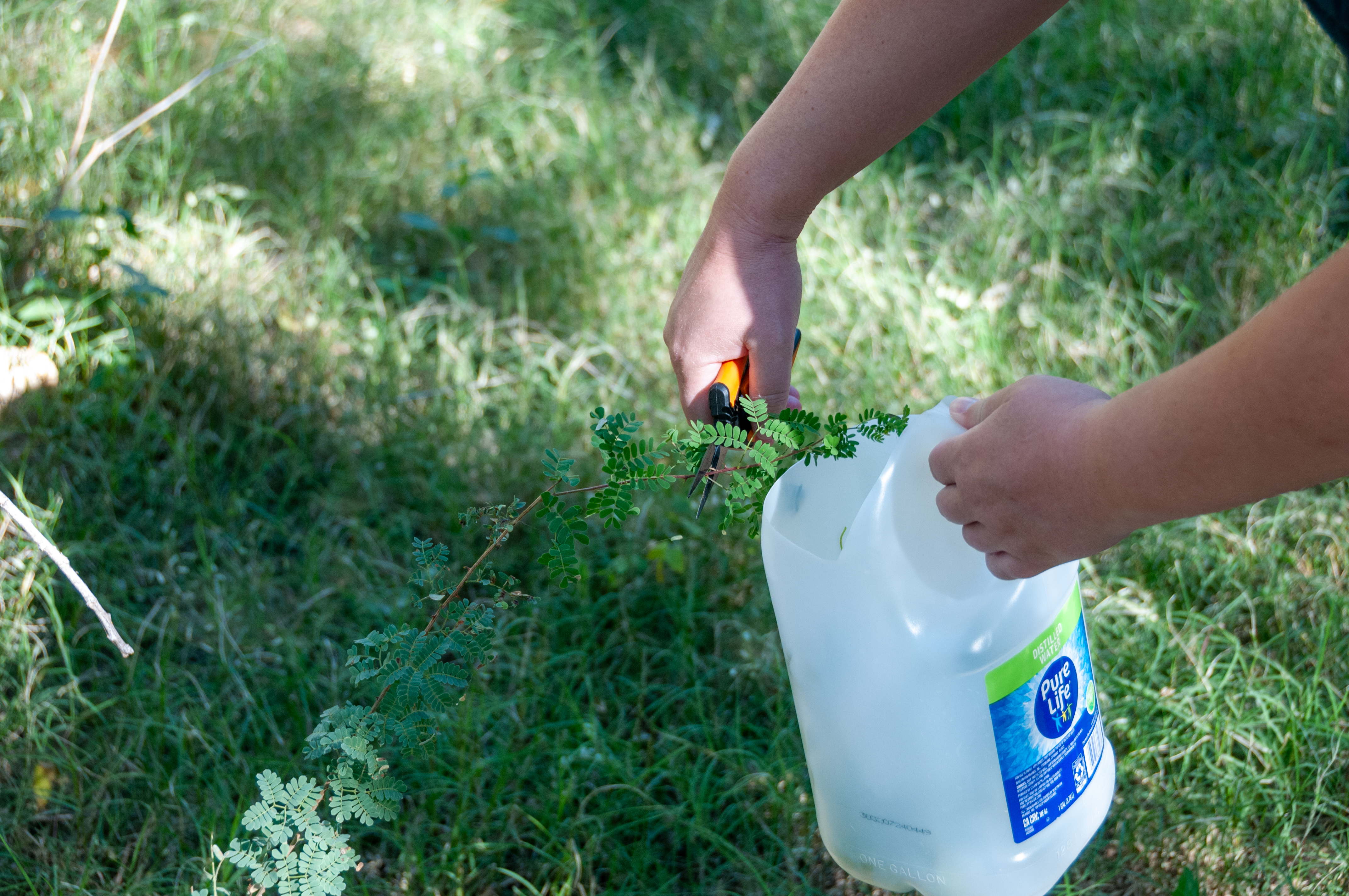


The work produced during this residency expands her ongoing investigation into how environment influences both the technical and visual outcomes of cyanotype. The prints accumulating in the cabin are not final exhibition pieces; they function as a direct record of the location, the material available, and the testing done throughout the three-week period.
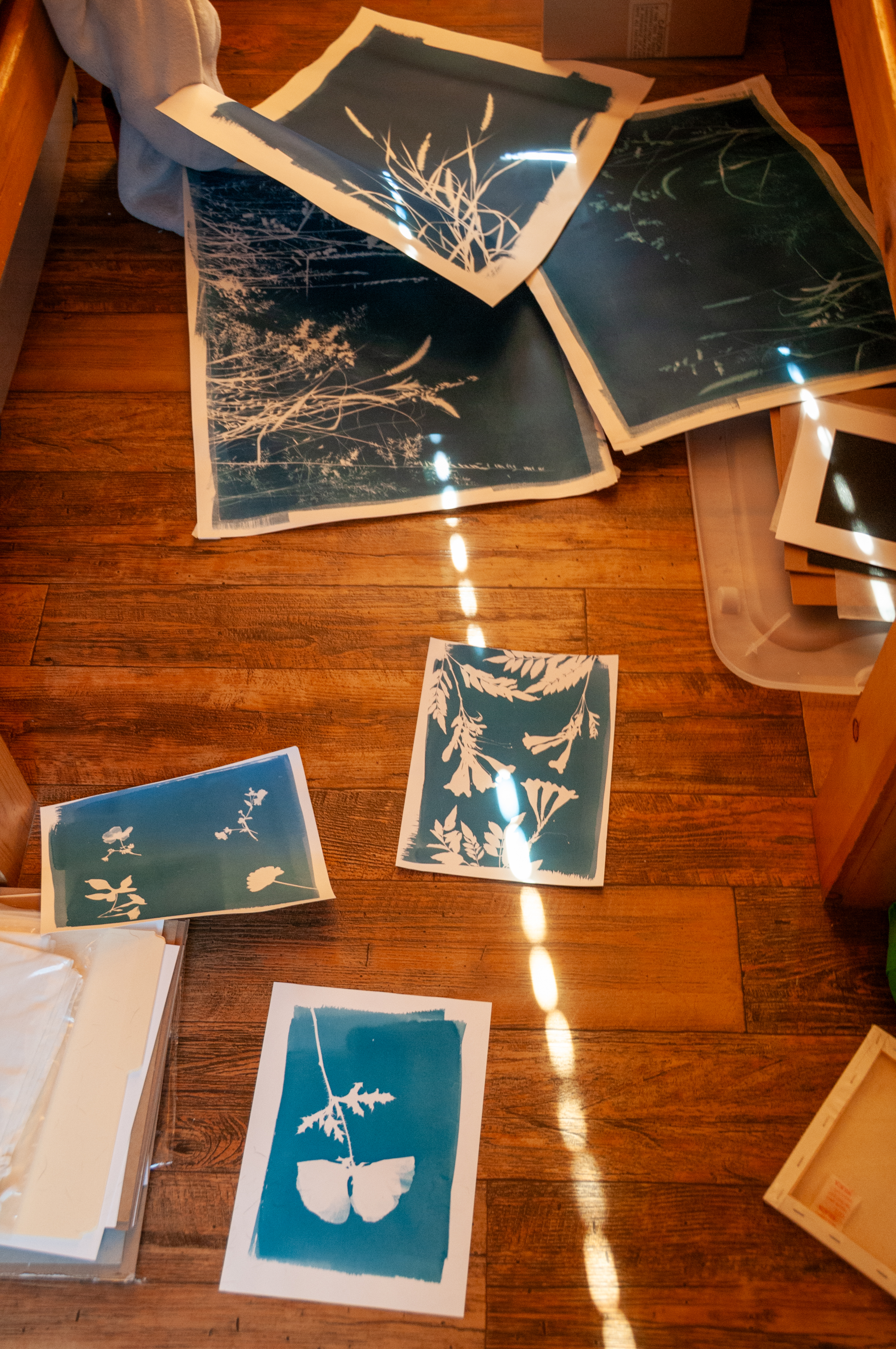
A full update and a selection of finished works from Patagonia Lake will be added to the site after the residency concludes on November 16.